How does femininity present itself to you? A cursory Google image search came back with images of women sitting on park benches with their friends, wearing cute sundresses. There were also images of Audrey Hepburn looking coyly over her shoulder at the camera. And of course, we had images from retro bathing suit competitions, and the Ruth Orkin photo American Girl in Italy, the image of the woman being cat called while walking down an Italian street.
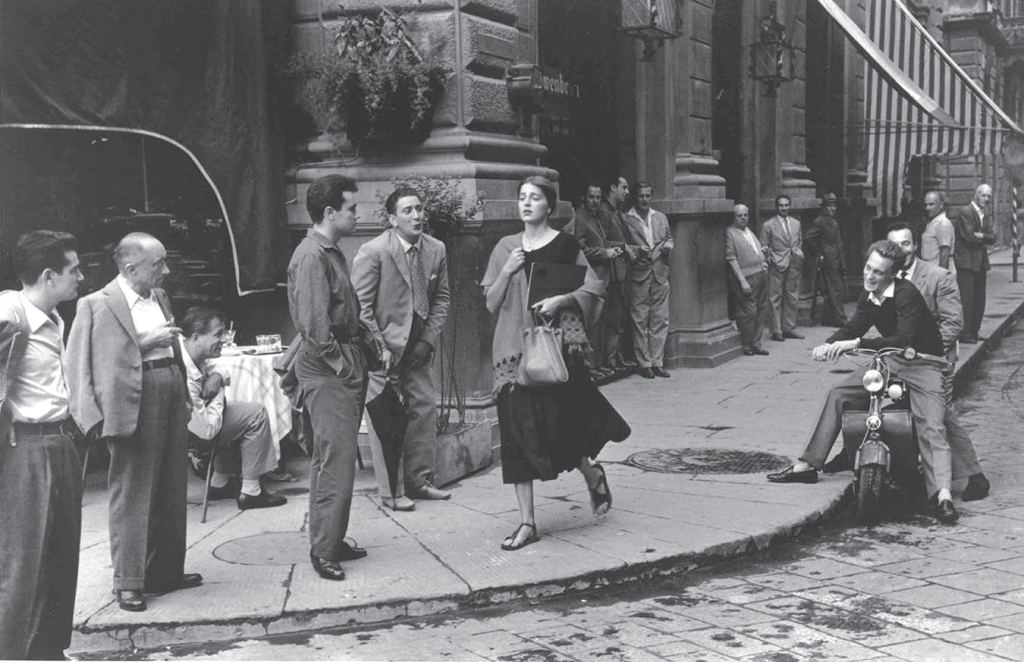
A common denominator in these images is that most of them show women in places of weakness or susceptibility. They don’t show femininity as being a place or thing of strength. Why can’t femininity mean strength?
The women who wore sashes and lace while fighting for the right to vote, weren’t they feminine and strong? The women during World War II who went to work in the factories or play baseball to entertain the masses, weren’t they strong? Even mythology is full of strong women. The Amazons? They were beautiful warriors. And, then we have the very real viking women who were warriors.
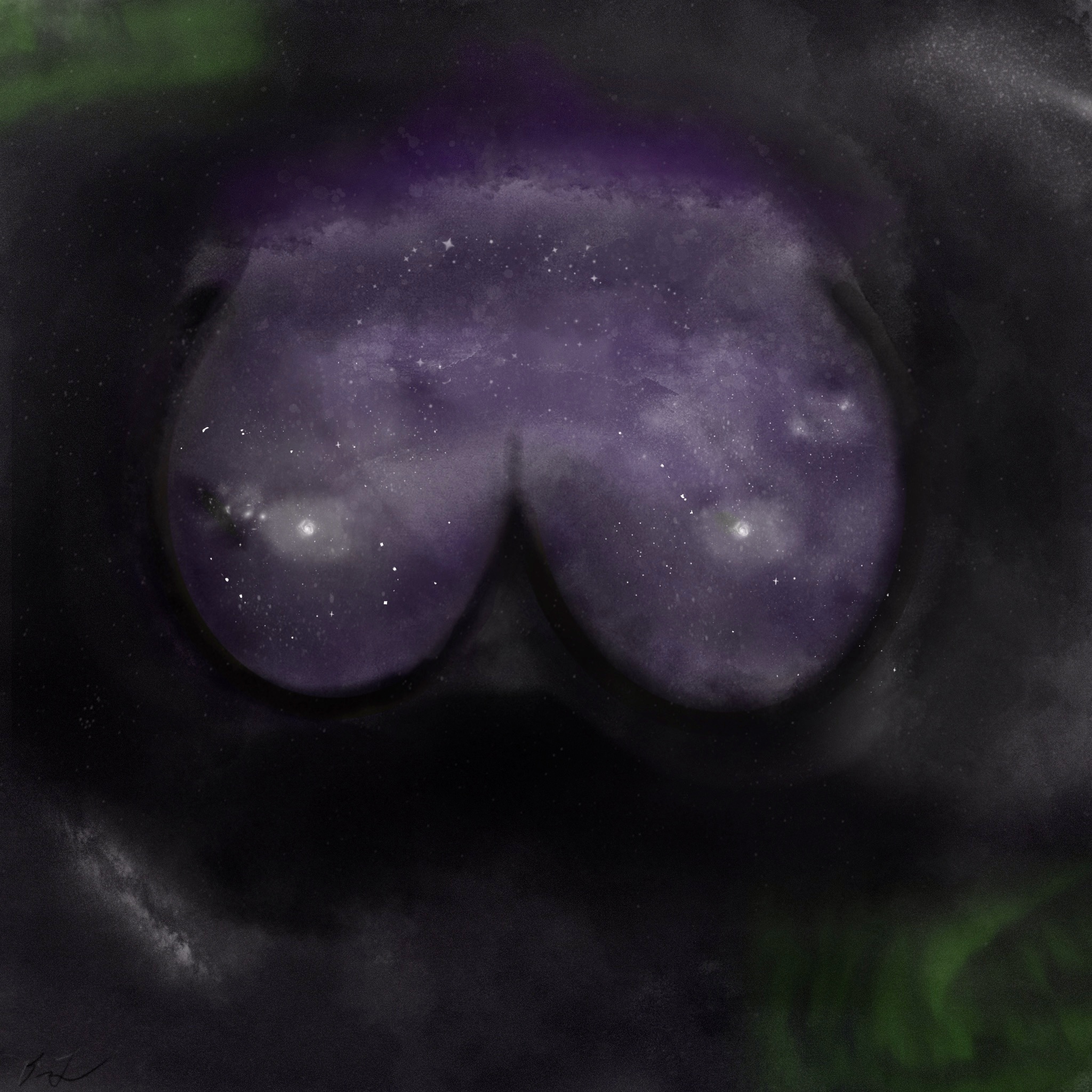
So much of femininity seems to be tied up in pink bows, subservient positions, and, of course, tiny waists and big busts. You knew this would some how throwback to breasts, didn’t you? I’m pretty much obsessed with breasts as we creep closer to the surgery date.
Breasts are, after all, a major attribute of women — or at least according to pop culture they are. And, I think, even beyond pop culture they are.
When trans-women get gender-affirming surgery one of the options is to receive top surgery that feminizes the chest, and this can include receiving breast implants. Why? Because breasts are often seen as a feminine feature. They help people to feel authentically female. That’s not to say without breasts someone isn’t female or feminine. Gender identity goes far beyond the breasts.
Over the past few months, I’ve spoken to many women about their choices when it came to breast cancer prevention or treatment. Some chose to keep their breasts and opt for lumpectomies, because to them, their female identity was tied to their breasts, and they didn’t want to lose them. Others, similar to me, didn’t have much attachment and opted for mastectomies (single or double). The women I’ve spoken with, all opted for reconstruction. But women have told me stories of their friends who opted to stay flat. Regardless of their personal choices, none of the paths these women have chosen makes them less or more feminine.
I would argue, that femininity is an identity and way you feel. You can be a bad ass warrior woman, who can bench stronger than most men, and still be a feminine woman. You can go by they/them and still be feminine if you choose. It’s truly up to each and every one of us what is feminine.
There’s no doubt in my mind, that as the surgery comes and goes, I’ll face some feelings about not having my breasts anymore (but, seriously, they’re kind of a hassle; and I really look forward to wearing cute tops and being able to run and workout without them in the way). But regardless of these feelings, I’ll remember that I am a woman. That is who I am. I am a strong woman, surrounded by other strong women. Even though Google Images might want us to think that sexiness is tied to femininity, I choose to remember that strength, perseverance, and a desire to never give up is also feminine.


 Avoiding the Darkness
Leave a reply to Sharron Witters Cancel reply